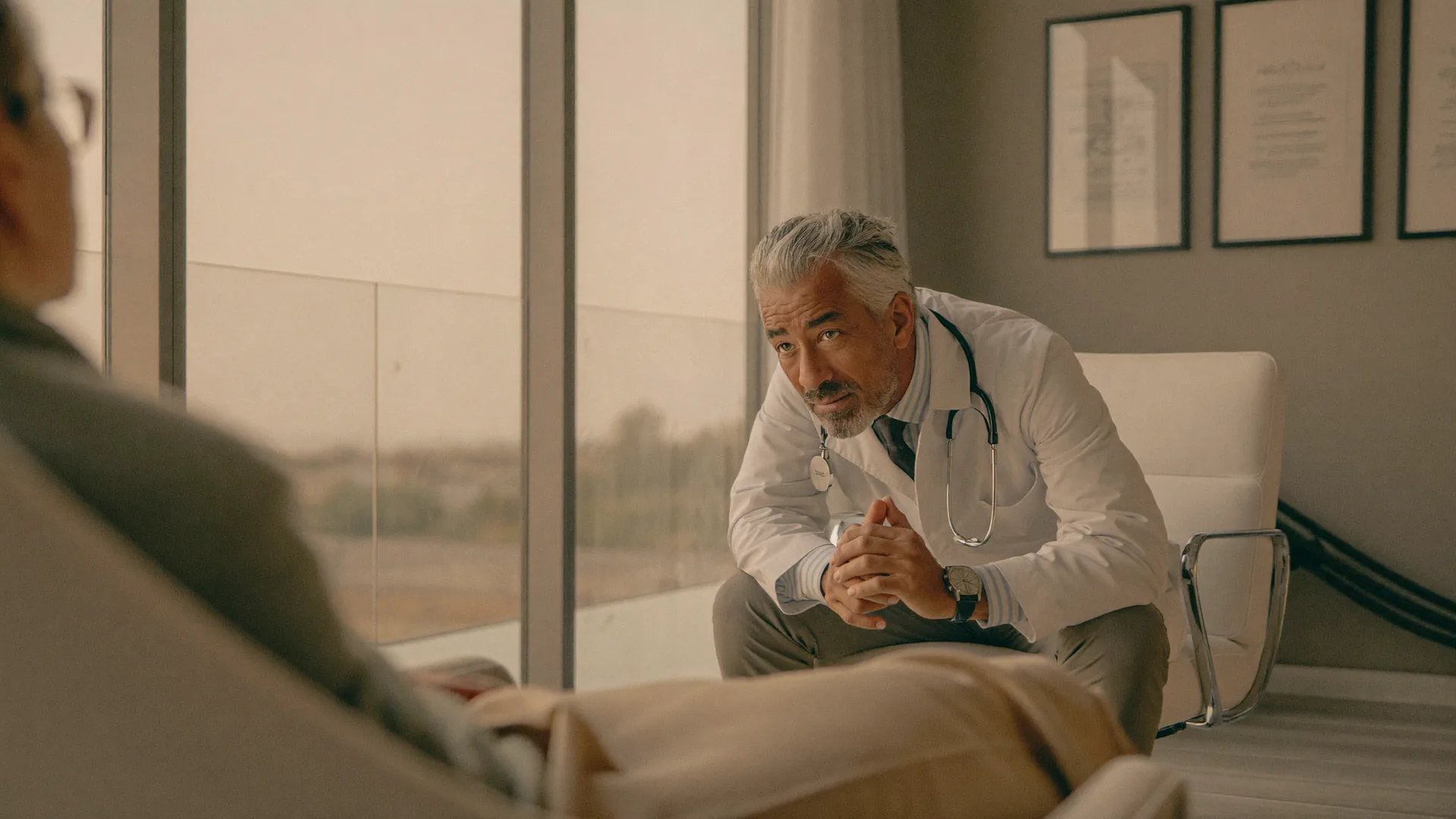
Not every cosmetic operation ends the way a patient hoped. Some are left with uneven contours, prominent scarring, implant problems or persistent discomfort — outcomes that weigh on confidence as much as on appearance. Understandably, many wonder whether anything can safely be done, particularly if their original surgery took place abroad.
Revision plastic surgery exists precisely for these situations. Working carefully through scar tissue and anatomy that has already been altered, a corrective procedure aims to refine what was done before, restore proportion and bring back a natural, harmonious result. For patients across the UAE, and for those travelling to Dubai for treatment, it offers a considered and discreet path forward.
Understanding Revision Surgery
Revision surgery is the corrective branch of aesthetic practice: its purpose is to improve or repair the outcome of an operation performed earlier. Because the surgeon is working on tissue that has already been cut, healed and marked by scarring, the planning demands far more forethought than a first-time procedure. Success is measured not only in appearance but in restored comfort, balance and a look that reads as entirely natural.
How Revision Differs From a First Procedure
A first operation is carried out on anatomy that has never been touched, so the surgeon can rely on well-established techniques with relatively few constraints. Corrective surgery is another matter entirely: scarring, tissue that has lost its suppleness and changes to the blood supply all narrow the available options and raise the technical difficulty.
For this reason, revision cases are rarely approached with a standard playbook. Each one calls for an individually mapped plan, advanced methods and the flexibility to adapt during the operation itself, so the result is both safe and well balanced.
Common Reasons for Seeking Correction
Some patients recognise almost immediately that their result is not what they were promised; for others, concerns surface gradually as swelling resolves and the tissues settle into their final position. These issues can affect comfort just as much as appearance. The most frequent motivations for corrective surgery include:
- Noticeable unevenness or lack of symmetry between sides
- Scarring that is raised, widened or conspicuous
- Complications connected with breast implants
- An outcome that falls short of the agreed goal
- Lingering discomfort or restricted movement and function

Where Corrective Surgery Can Help
Corrective work spans the face, breast and body. In every region, the surgical plan is shaped by what was done previously, how the scars have matured and how the individual patient heals.
Facial corrections: Earlier facial surgery can occasionally leave contours looking uneven, skin feeling tight or scars sitting where they show. Revision techniques aim to soften these effects, and our facial procedure pages outline the full range of options available at the practice.
Breast revision: Patients may seek breast revision after implant complications, dissatisfaction with shape or changes that have developed over the years. The priority is to resolve the problem while preserving healthy tissue and achieving a proportion that suits the frame.
Body contour refinement: Irregularities can sometimes appear after abdominoplasty or liposuction. Corrective contouring works to smooth these areas and restore an even, flowing silhouette.
Scar improvement: Dedicated scar techniques can soften, narrow or reposition marks left by earlier operations so they sit less obviously and blend more convincingly with the surrounding skin.
From Assessment to Recovery
A corrective procedure succeeds or fails on preparation. Timing, evaluation and meticulous execution each carry real weight.
When to operate: Surgeons generally advise waiting until the body has completely recovered from the original operation — commonly six to twelve months — so that swelling has resolved, tissues have stabilised and the true problem can be assessed accurately.
Planning the correction: A detailed consultation comes first. Your medical background, the records of your earlier surgery and your present concerns are reviewed together to build a realistic, personalised plan. International patients can often begin this conversation remotely before travelling to Dubai.
Operative precision: During surgery itself, the surgeon must navigate existing scar tissue with great care, protecting the surrounding structures while refining the overall result.
Healing and follow-up: Because of the added complexity, recovery can take longer than after a first procedure. Following aftercare guidance closely, attending review appointments and — for visiting patients — allowing enough time in Dubai before flying home all support the best possible outcome.
What Makes Corrective Cases Demanding
Because the body has already been operated on once, corrective surgery presents obstacles that a first procedure does not. Chief among them:
- Established scar tissue: Old scarring restricts how tissue can be moved and reshaped.
- Changed anatomy: The original operation may have altered natural structures, so techniques must be adapted case by case.
- Less pliable tissue: Skin and deeper layers rarely respond as readily as they did before any surgery.
- A finer margin for error: Corrective cases reward meticulous planning and advanced technical skill.
- Extended healing: An area operated on more than once may simply need longer to recover.
- Honest expectations: The realistic aim is meaningful improvement rather than flawlessness, and patients should understand this from the outset.
Why Specialist Experience Matters
Corrective operations sit at the demanding end of aesthetic surgery, and they reward surgeons who handle them routinely. That depth of experience brings an instinct for how scarred, previously altered tissue behaves and heals — knowledge that allows techniques to be adjusted safely and complication risks to be kept low.
Just as valuable is candour. A seasoned surgeon will tell you plainly what can be improved and what cannot, and that honesty is the foundation of a precise plan and a natural, lasting result.

Corrective Care at Dubai Plastic Surgery
Dr John M. Shamoun, MD FACS, an American Board-certified plastic surgeon, has spent decades managing complex corrective cases. That background allows him to approach even challenging revisions with accuracy, safety and an eye for outcomes that look unmistakably natural. Every plan is built around the patient’s surgical history and personal goals.
Consultations take place at Emirates Specialty Hospital in Dubai Healthcare City and at our Jumeirah clinic, where a boutique approach means unhurried appointments, thoughtful planning and attentive follow-up at every stage of the corrective journey.
Realistic Results You Can Expect
Handled well, corrective surgery can deliver genuine gains in both appearance and day-to-day comfort. How far a result can be taken depends on individual anatomy, the way each person heals and the complexity of the original problem — which is why the honest promise is improvement, not perfection.
Open dialogue and grounded expectations do as much for satisfaction as the surgery itself. With experienced hands and unhurried planning, the outcome is a balanced, natural appearance.
Arrange a Confidential Consultation
If a previous procedure has left you with doubts, the right next step is a professional opinion. Book a confidential consultation to talk through your concerns, review your surgical history and understand which corrective options genuinely suit your situation — whether you live in Dubai or are planning a visit for treatment. An informed, personalised decision is the surest route to a result you can live with happily for years.