

Patient Info
Age:
40-49
Ethnicity:
White
Height:
5’ 0” - 5’ 5”
Weight
100 - 149 lbs
Ready to see what's possible for you?
Schedule your personal consultation with Dr. Shamoun today and take the first step toward looking as vibrant as you feel.
Book An Appointment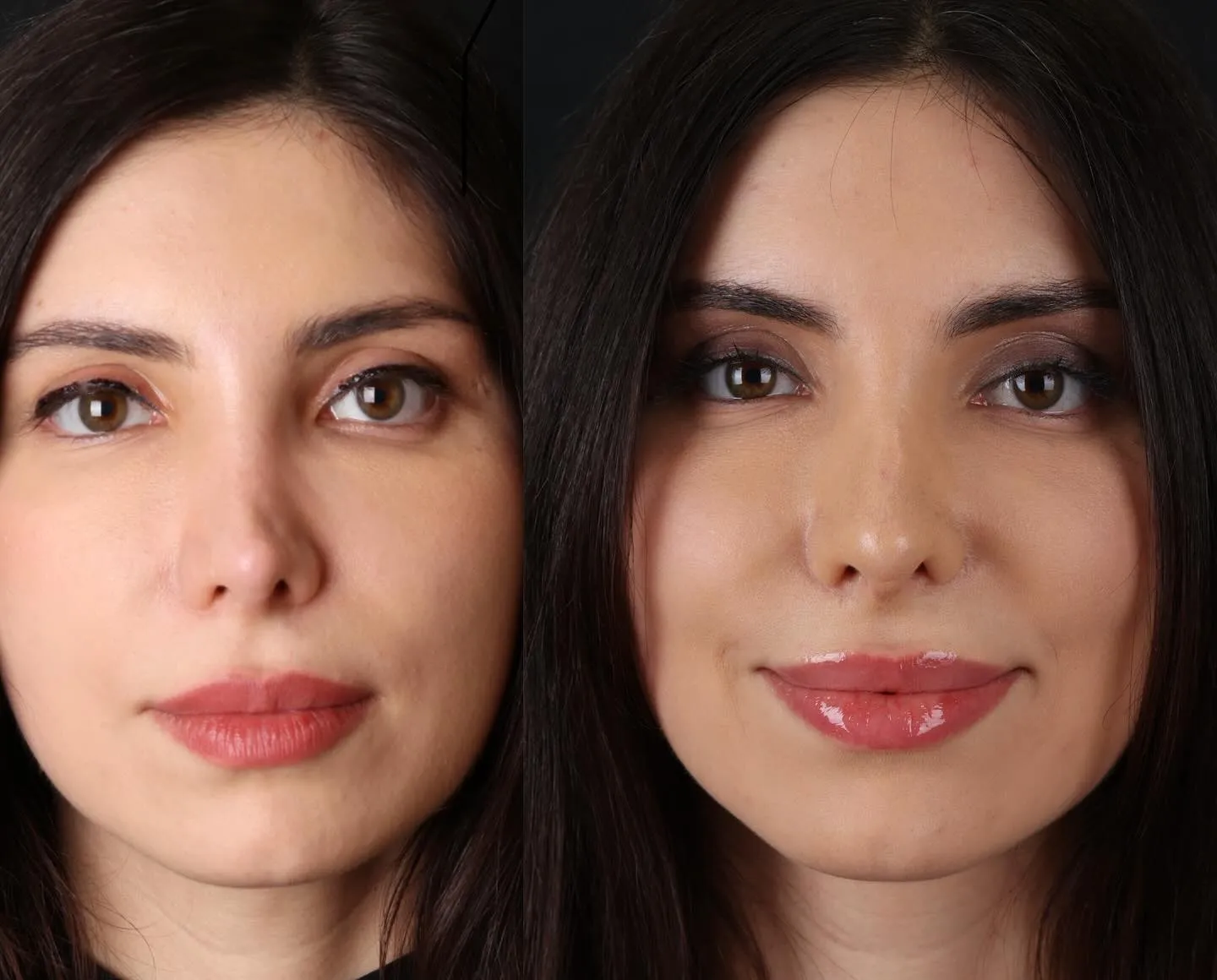
Front View
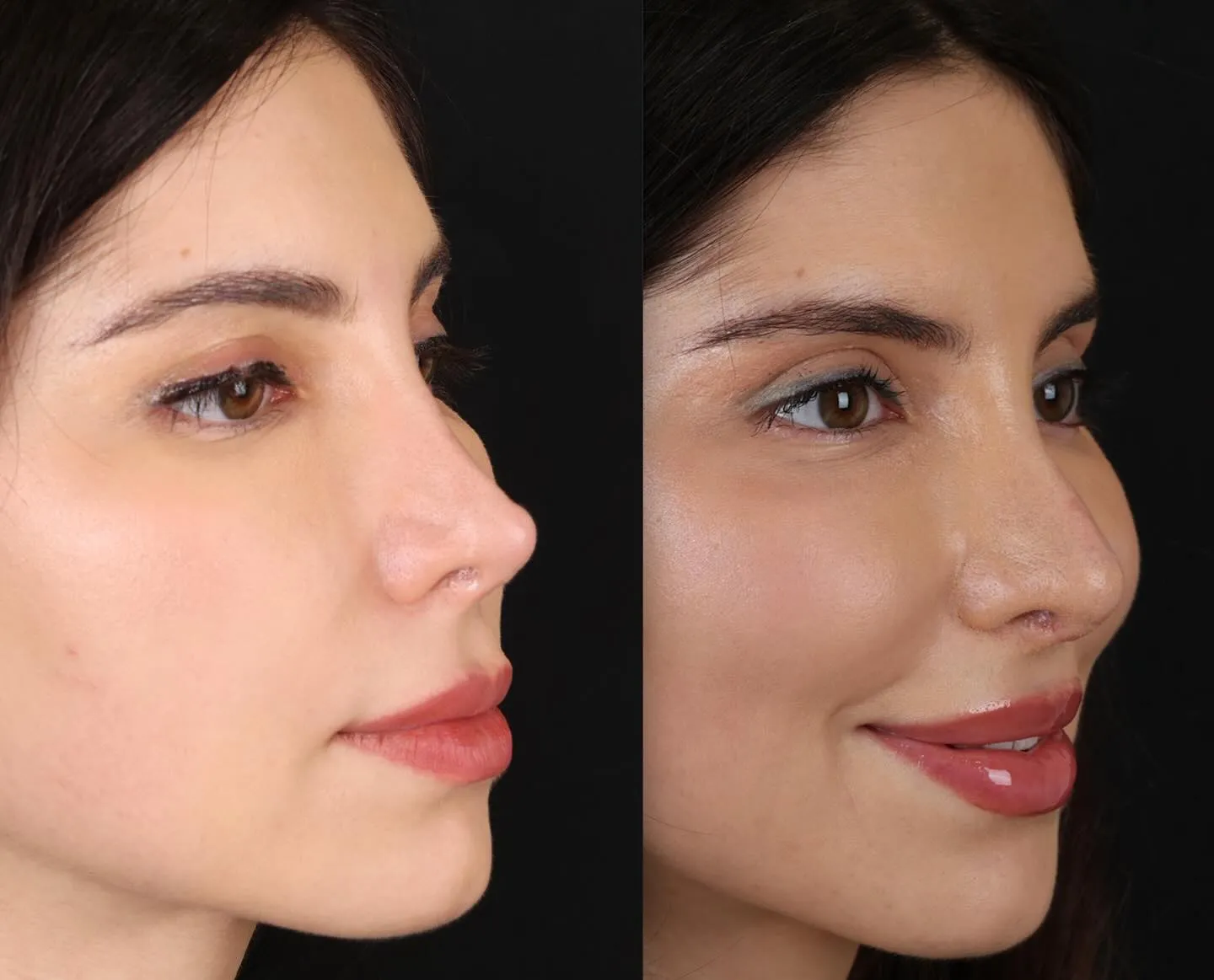
Side View
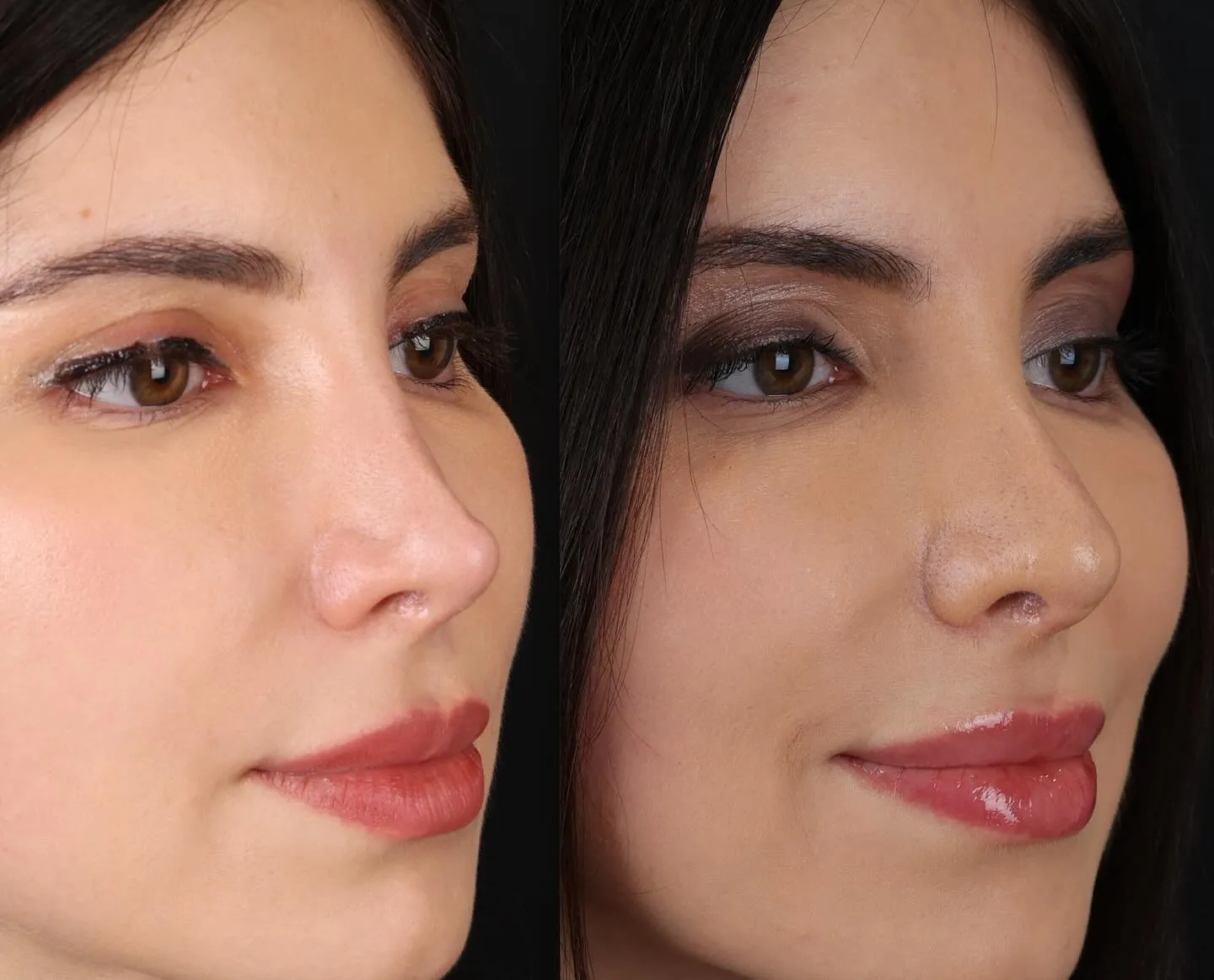
Profile View
Revision Rhinoplasty
My Approach
Revision rhinoplasty is often less about refinement and more about reconstruction. In patients who have undergone several prior surgeries, the normal anatomy is frequently distorted or depleted. Over-resection, scar tissue, and weakened support can lead to progressive collapse, asymmetry, and an unnatural appearance that worsens over time. This patient presented after numerous destructive procedures that left the nose overskeletonized and structurally compromised. Significant scar tissue and reduced vascularity made this an extremely high-complexity case. In situations like this, removing more tissue is never the answer—the nose must be rebuilt, not reduced. Even at just two weeks, with expected swelling still present, we can already appreciate improved contour, symmetry, and definition. The goal is always a nose that looks harmonious with the rest of the face—not one that looks operated on.

Dr. John Shamoun
MD FACS
The Healing Process
Recovery after complex reconstruction requires patience. Swelling can persist longer than with primary rhinoplasty due to scar tissue and the extent of structural work. Bruising typically resolves within the first couple of weeks, while refinement continues gradually over several months. With careful monitoring and supportive therapies, healing progresses safely and predictably.By week three, most patients feel comfortable resuming normal activities. Facelift results settle within a few months, while the nose continues to refine for up to a year.
FAQs
Revision rhinoplasty is a secondary or tertiary nose surgery performed to correct functional or cosmetic issues from a previous procedure. It often involves rebuilding weakened support structures rather than simply reshaping the nose.
Revision cases are more complex because of scar tissue, altered anatomy, and reduced blood supply. Surgery frequently requires cartilage grafts and more detailed planning to safely restore both form and function.
Most patients return to light activities within 1–2 weeks. Swelling improves steadily over several months, with final results typically visible between 9–12 months.
Absolutely. Restoring internal support and correcting septal or valve issues often improves airflow and nasal function along with cosmetic balance.
While additional revisions are possible, each surgery becomes more complex. Choosing an experienced revision specialist and creating a solid long-term plan is essential to avoid repeated procedures.
You’ll notice improvements early on, but the nose continues refining for up to a year as swelling subsides and tissues fully settle.