
Of all the questions patients bring to a cosmetic surgery consultation, one surfaces more than any other: what will the scar look like? It deserves a straight answer. Surgery cannot happen without incisions, and any surgeon claiming otherwise should be treated with suspicion. What is genuinely reassuring, though, is that minimising scars after plastic surgery is not down to chance. It is engineered — partly through decisions your surgeon makes at the operating table, and partly through the routine you keep in the months afterwards. With well-placed incisions, refined closure technique and a short list of aftercare measures backed by real evidence, the typical surgical scar settles into a slim, pale line most people would never spot. A look through a surgeon’s before-and-after gallery shows exactly what that looks like on healed patients. In this guide, we sort the strategies that genuinely deliver from the ones that simply market well.
What Happens Inside a Healing Scar
Sensible scar care starts with knowing what your body is actually doing. After an incision, healing proceeds through three overlapping stages. Inflammation arrives first and lasts a few days: the wound seals and immune cells tidy the site. Then comes proliferation, spanning roughly the first month, when fresh collagen is produced rapidly — and rather untidily. The final stage, remodelling, is the slow one: the body steadily swaps that jumbled collagen for stronger, better-organised fibres.
That last stage explains why patience is non-negotiable. Between about six weeks and three months post-surgery, a scar tends to look its angriest — pink, slightly raised, perhaps firm to the touch. Nothing has gone wrong; you are simply watching remodelling in progress. In the months that follow, the line usually flattens, softens and pales. Complete maturation generally takes 12 to 18 months, so judging a scar earlier is like walking out of a film halfway through.
How any one person heals depends on several variables:
- Genetics and skin type — certain patients have a tendency towards hypertrophic (raised) or keloid scarring.
- Site and skin tension — areas under constant pull, like the chest or shoulders, scar more visibly than relaxed regions such as the eyelids.
- Age — youthful skin heals energetically, and that vigour can ironically create thicker scars.
- Lifestyle — diet, blood-sugar control and above all smoking each influence how a wound closes.

Scar Prevention Begins in the Operating Theatre
The most powerful scar treatment of all takes place before you ever wake up. A seasoned plastic surgeon designs each incision around the scar it will eventually become, drawing on years of accumulated judgement.
Where the incision goes comes first. Experienced surgeons tuck incisions into natural folds, shadowed contours and borders between zones: within the hairline and the curves of the ear in a facelift, low across the abdomen where swimwear conceals it in a tummy tuck, or along the areolar edge in breast procedures. Shift the same incision a single centimetre out of a crease or away from the skin’s relaxed tension lines and its visibility changes dramatically.
How tension is handled comes second. A scar stretches and thickens when the wound edges are under strain as they heal, so surgeons build closure in layers, letting deep sutures carry the load. When the surface layer is brought together with essentially no pull — frequently using fine stitches hidden beneath the skin — the visible line has every chance of maturing thin and flat.
How the tissue is treated completes the trio. Tissue that has been crushed, bruised or allowed to dry heals with extra inflammation, and extra inflammation translates directly into extra scar. This kind of meticulousness is invisible on the day of surgery — but it is unmistakable in the mirror a year on. It is also why a surgeon’s fully healed results, not merely their fresh post-operative photographs, reveal the true standard of their work.
Proven Aftercare for Scars — Especially Under the Dubai Sun
Pharmacy shelves overflow with products claiming to erase scars. In reality, only a few home strategies carry consistent evidence — and happily, none of them is complicated.
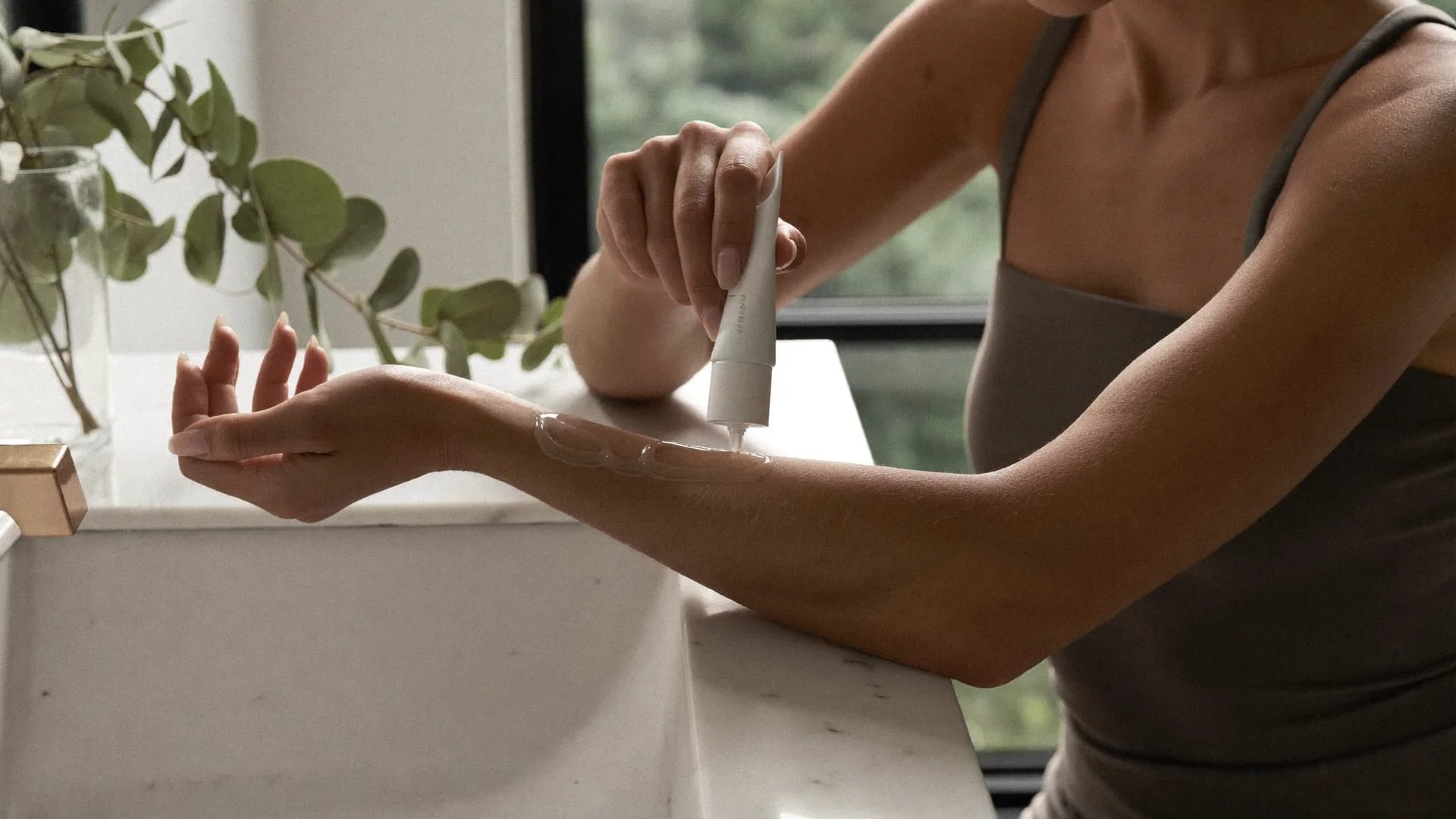
- Medical-grade silicone. Silicone sheeting or gel is the most robustly supported topical scar therapy in existence. Applied daily for two to three months once the wound has completely closed, it keeps the scar hydrated and appears to temper over-production of collagen, encouraging a flatter, faster-fading line.
- Rigorous sun protection. Ultraviolet exposure can permanently darken an immature scar — a particular consideration in Dubai, where strong sunshine is a year-round fact of life. Keep healing scars covered or protected with broad-spectrum SPF 30 or above every single day for at least the first year. It costs next to nothing and pays visibly.
- Supportive taping. Simple paper tape worn along the incision for the first several weeks offloads surface tension and guards against friction — an unglamorous tool that plastic surgeons everywhere continue to trust.
- Massage. With your surgeon’s go-ahead, gentle massage using a plain moisturiser helps soften firmness and keeps the tissue supple through remodelling.
Equally worth knowing is what lacks evidence: vitamin E oil has repeatedly failed to beat ordinary moisturiser in studies and irritates some skins. And the fundamentals still count — respecting activity limits, eating enough protein and avoiding nicotine in any form. The same habits that support recovery after body contouring surgery also produce finer scars.

When a Scar Needs More: Clinic-Based Options
For the majority of patients, excellent surgical technique combined with disciplined home care is all that is required. When a scar nonetheless heals redder, thicker or wider than expected, a stepwise range of professional treatments is available — and acting early generally improves the outcome.
Laser treatment does much of the heavy lifting. Vascular lasers address the redness of a young scar and can hasten its fading; fractional lasers open microscopic channels that push raised or uneven scars to remodel with a smoother texture. Treatment usually runs as a course of sessions several weeks apart.
Steroid injections are the established first choice for hypertrophic and keloid scars: small doses of corticosteroid placed directly into the scar soften and progressively flatten it over repeated sessions.
Microneedling can refine the surface quality of mature scars so they blend better, while surgical scar revision — removing a troublesome scar and closing the skin again under optimal conditions — is kept for scars that healed badly initially, typically due to tension, infection or a wound-healing setback.
Two principles are worth underlining. Timing first: most surgeons wait for a scar to mature before revising it with surgery, although lasers and injections may start far sooner. Continuity second: these treatments perform best inside a plan overseen by the surgeon who knows your incision, your skin and how you heal — something worth arranging in advance if you are travelling to Dubai for your procedure. If keloids run in your family or a past operation left a poor scar, raise it at consultation; it will inform both the surgical strategy and your aftercare from the outset.
A Realistic View of Scars Before You Commit
A scar is surgery’s honest signature — yet it need not draw attention. The dependable formula for minimising scars after plastic surgery has three parts: a surgeon who positions and closes every incision with near-obsessive precision; a patient who commits to silicone, daily sun protection and sound habits; and the patience to let 12 to 18 months of remodelling run its course before forming a verdict. Bring those together, and exchanging a fine, well-concealed line for a result you love becomes a trade very few patients regret.
Because no two skins heal identically, personalised advice will always outperform a generic routine. If you are considering a procedure and want a candid discussion of exactly where your incisions would sit, how your scars are likely to mature and how they would be managed, book a consultation with Dr. John Shamoun. An American Board-certified plastic surgeon practising in Dubai Healthcare City, he can show you genuinely healed results and tailor a scar-care plan to your skin, your history and your goals.
Scar Questions Patients Ask Us
Expect the most conspicuous stage between roughly six weeks and three months after your operation — after that, scars steadily flatten, soften and lose their colour. Complete maturation usually requires 12 to 18 months. Genetics, skin type, the incision’s location and how diligently you follow aftercare all shape the pace, which is why some scars settle quickly while others need the full timeline.
Absolutely — of every over-the-counter option, medical-grade silicone sheets and gels carry the strongest evidence. Applied consistently for two to three months once the incision has fully sealed, silicone maintains hydration and helps moderate collagen production, leaving scars flatter, softer and less discoloured. It is the first-line recommendation of most plastic surgeons after nearly every procedure.
Strong ultraviolet light is a genuine risk to young scar tissue — UV exposure can trigger permanent darkening known as hyperpigmentation, leaving the scar noticeably deeper in tone than the skin around it for years. In a sunny climate like Dubai’s, keep healing scars under clothing or broad-spectrum SPF 30+ sunscreen every day for at least the first year. Few scar-care habits repay so little effort so well.
It is best skipped. Clinical research has repeatedly found that vitamin E oil performs no better on surgical scars than a plain moisturiser, and a fair proportion of users develop irritation or allergic reactions from it. Put your effort into measures with proven benefit instead: silicone sheeting or gel, daily sun protection, tension-relieving tape and gentle scar massage once your surgeon approves.
In many cases, yes. Raised or red scars often respond to corticosteroid injections and laser sessions, while a formal surgical revision — excising the old scar and re-closing the skin under far better conditions — can help scars that healed poorly the first time. The right route depends on the scar’s age, its cause and your personal healing pattern, so begin with an in-person assessment by a board-certified plastic surgeon.